Earlville, Iowa Electric Utility
Electricity Rates, Plans & Statistics
High Power Bills?
Reduce or replace your electricity bill with solar
About Earlville, Iowa Electric Utility
Earlville, Iowa Electric Utility provides electricity to Earlville, Iowa and is a municipally owned organization. At the time of the most recent government reports, the company disclosed a total of 445 electricity customers. This total is made up of 378 residential customer accounts and 67 commercial properties. On average, Earlville, Iowa Electric Utility bills their customers a residential electricity rate of 13.74 cents per kilowatt hour. This is 5.90% above the state's average rate of 12.97 cents. There were a total of 4,460 megawatt hours sold to retail accounts in 2019 by the supplier. The electricity generated in the company's power plants made up 10 of the megawatt hours sourced by the company and the purchase of wholesale electricity made up an additional 4,861. They made $506,500 in total revenue from electricity-related activities in 2019 through sales to retail end-users alone.
The state average monthly residential electric bill is $107.24, while the Earlville, Iowa Electric Utility average is 11.95% lower at $90.11 per month. This is the 33rd lowest average monthly bill amount for a provider in the state. Earlville, Iowa Electric Utility is the 2807th largest electricity company out of 3530 suppliers in the United States based on total megawatt hours sold. The company is not associated with any electricity facilities and all of the electricity that they sell to their customers must be purchased wholesale from other companies. The supplier produces 641st megawatt hours from non-renewable fuel sources each year. This makes them 641st in the United States out of 3530 providers.
Earlville, Iowa Electric Utility Rate & Electric Bills
Earlville, Iowa Electric Utility residential electric rates are highest in May and the highest average bill is in January.
Historical Electricity Rates:
Go Solar for less than your cell phone bill.
Earlville, Iowa Electric Utility Overview
- Company Type:Municipal
Earlville, Iowa Electric Utility Service
- States Served:
- Iowa
- Counties Served:
- Delaware County
- Major Cities Served:
Quick Facts About Earlville, Iowa Electric Utility
As the 851st largest generator of electricity in the country, Earlville, Iowa Electric Utility produces 12 megawatt hours of electricity.
Go Solar for less than your cell phone bill.
Earlville, Iowa Electric Utility Coverage Map
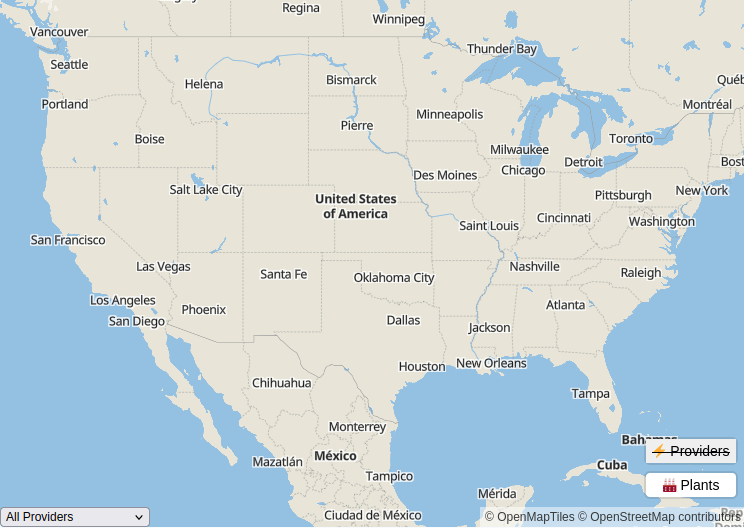
Earlville, Iowa Electric Utility State Coverage
| State | Customers | Sales ($) | State Rank Based On Revenue | % of Provider's Residential Sales in State |
|---|---|---|---|---|
| Iowa | 445 | 617,590.48 | 154 | 100% |
Earlville, Iowa Electric Utility County Coverage
| County | Population | Providers | Avg. County Rate (¢) | Avg. Electric Bill |
|---|---|---|---|---|
| Delaware County | 17,508 | 5 | 14.83 | $143.79/mo |
Earlville, Iowa Electric Utility Reviews
Write a Review of Earlville, Iowa Electric Utility
Earlville, Iowa Electric Utility FAQ:
How much is the average bundled bill for Earlville, Iowa Electric Utility customers each month?
The average monthly bundled electric bill for customers of Earlville, Iowa Electric Utility is $90.11. The Iowa average bundled bill is $107.24 and the United States average is $107.24.
What is the average bundled electricity rate for Earlville, Iowa Electric Utility customers?
Earlville, Iowa Electric Utility's current average bundled electricity rate is 13.74 cents per kilowatt hour (¢/kWh), compared to the average Iowa bundled rate of 12.97 cents and the average United States rate of 16.22 cents.
What percentage of Earlville, Iowa Electric Utility's electricity is generated using renewable fuels?
Electric generation facilities owned by or associated with Earlville, Iowa Electric Utility produce 0% of their electricity from renewable fuels.
What percentage of Earlville, Iowa Electric Utility's electricity is generated from nonrenewable fuel sources?
Earlville, Iowa Electric Utility produces 100.00% of their electricity using nonrenewable fuel sources.
