Springville City Utilities
Electricity Rates, Plans & Statistics
High Power Bills?
Reduce or replace your electricity bill with solar
About Springville City Utilities
Springville City Utilities provides electricity in Utah County, Utah. Customers of Springville City Utilities spend, on average, 12.76 cents per kilowatt hour for their electricity. This is 21.32% less than the national average price of 16.22 cents. There were a total of 288,906 megawatt hours sold through retail sales in 2023 by the provider. The electricity sourced by Springville City Utilities is made up of multiple sources including megawatt hours they produce and supplementary megawatt hours acquired on the wholesale market. These categories comprise 4.03% and 97.20%, respectively, of the total electricity sourced by the company. In 2023, the total revenue for Springville City Utilities was $31,671,500, which was earned entirely through electricity sales to retail customers.
Customers of the supplier have an average residential power bill of $97.1. This is 32.28% below the US average bill of $143.38. With 9,524 megawatt hours produced from non-renewable fuel types, the supplier is the 376th largest generator of megawatt hours from non-renewable fuels in the United States out of 3530 companies Dams and other hydroelectric facilities owned by the electricity supplier produce 1,729 megawatt hours, making the company the 15th largest producer of hydroelectric power in Utah out of 48 providers. Springville City Utilities is the 902nd largest electricity company out of 3530 electricity companies in the United States based on number of customers.
Consumers of Springville City Utilities can take advantage of net metering solutions, which is a positive for both parties. The purchase of solar panels and alternative electricity sources is often prohibitively priced for individuals. Net metering allows purchasers of these electricity sources to sell extra electricity back to the electricity company, making the installation of these alternative sources economically viable.
Providers routinely report energy lost through electricity transmission to government agencies who track infrastructure efficiencies. Springville City Utilities recently reported a loss of 0.38% of the electricity generation amount. This percentage of loss gives them a ranking of best out of 48 suppliers who report energy loss in the state.
Springville City Utilities Rate & Electric Bills
Springville City Utilities residential electric rates are highest in May and the highest average bill is in August.
Historical Electricity Rates:
Go Solar for less than your cell phone bill.
Springville City Utilities Overview
- Company Type:Municipal
- Headquarters:110 South Main Street
Springville, Utah 84663
United States of America - Director/Superintendent:Richard J. Child
Springville City Utilities Contact
- Website:www.springville.org
- Customer Service Phone:(801) 489-2750
- Contact Page:www.springville.org
- Social Media:
Springville City Utilities Service
- Rates & Plans:www.springville.org
- Outage Phone:(801) 489-2750
- States Served:
- Utah
- Counties Served:
- Utah County
- Major Cities Served:
- Springville
- Hobble Creek CDP
Quick Facts About Springville City Utilities
Springville City Utilities generates 1,729 megawatt hours (or 15.36% of their total production) from the use of sustainable fuel types in their power production facilities.
Springville City Utilities has no power generation sources and must purchase all of the electricity they sell to customers.
Springville City Utilities ranks 298th out of 3530 providers in the United States for total electricity production from natural gas.
Springville City Utilities is the 497th largest producer of electricity in the country out of 3530 electricity providers, producing 11,253 megawatt hours.


Energy Loss
Springville City Utilities' energy loss due to business operations.
Total Energy Loss
1,147MWh
78 National Rank
Go Solar for less than your cell phone bill.
Springville City Utilities Coverage Map
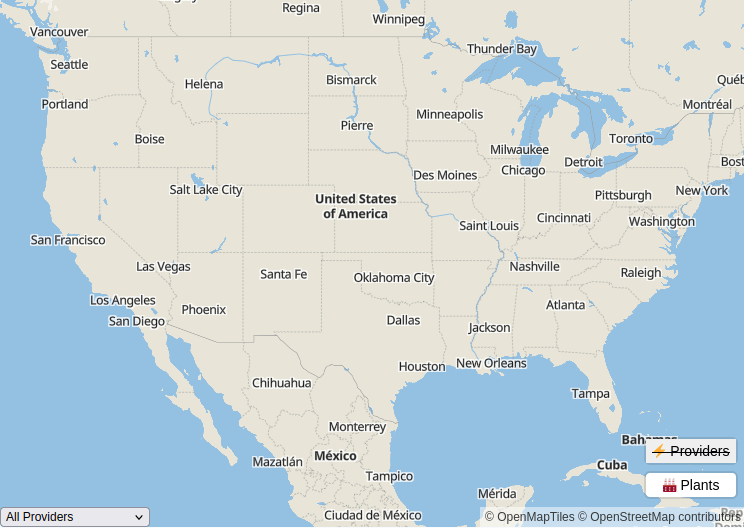
Springville City Utilities State Coverage
| State | Customers | Sales ($) | State Rank Based On Revenue | % of Provider's Residential Sales in State |
|---|---|---|---|---|
| Utah | 13,402 | 33,564,600 | 12 | 100% |
Springville City Utilities County Coverage
| County | Population | Providers | Avg. County Rate (¢) | Avg. Electric Bill |
|---|---|---|---|---|
| Utah County | 702,434 | 8 | 12.15 | $97.21/mo |
Springville City Utilities Reviews
Write a Review of Springville City Utilities
Springville City Utilities FAQ:
What is the phone number for Springville City Utilities?
You can reach Springville City Utilities by phone via (801) 489-2750.
What is the average bundled electricity rate for Springville City Utilities customers?
Springville City Utilities' current average bundled electricity rate is 12.76 cents per kilowatt hour (¢/kWh), compared to the average Utah bundled rate of 11.81 cents and the average national rate of 16.22 cents.
Who is the CEO of Springville City Utilities?
Springville City Utilities' current CEO is Richard J. Child.
What percentage of Springville City Utilities' electricity is generated from nonrenewable fuel types?
Power generation plants owned by or associated with Springville City Utilities generate 84.64% of their electricity using nonrenewable fuels.
What is the average bundled bill for Springville City Utilities customers each month?
Consumers of Springville City Utilities pay, on average, a monthly bundled bill of $97.10.
What percentage of Springville City Utilities' electricity is generated using renewable fuel types?
Electric facilities owned by or associated with Springville City Utilities produce 15.36% of their electricity from renewable fuel types.
